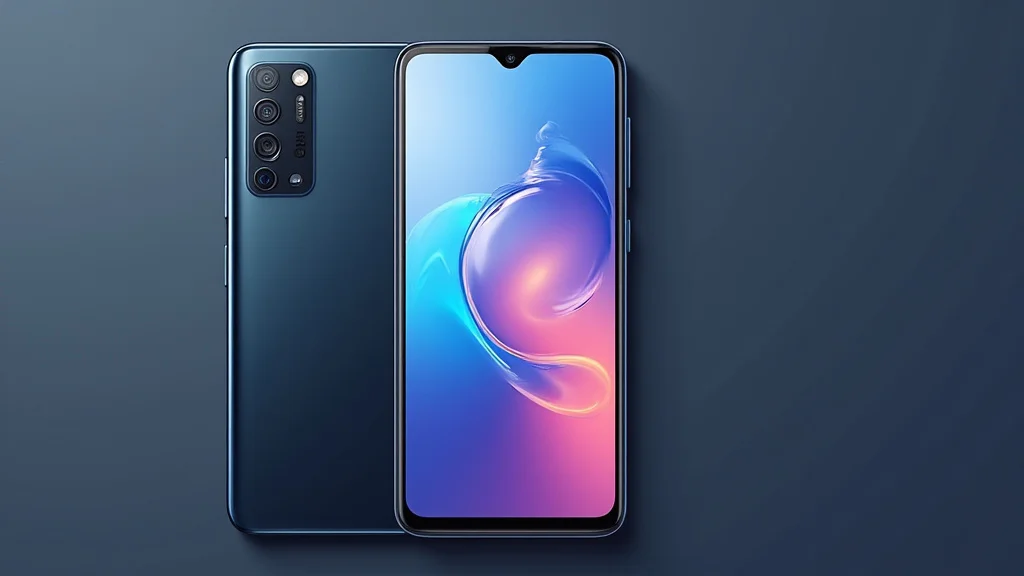
Remember that time you spent hours scrolling through online shops, trying to find the perfect phone? You had a budget, of course, and you were hoping to find the best deal. Finding a good mobile price in Bangladesh 10000 to 15000 can feel like a treasure hunt. This post is your map! We’ll explore the best options, compare specs, and provide you with all the information you need to make a smart choice. You’ll gain valuable knowledge to help you find the ideal smartphone without breaking the bank, improving your knowledge. This will also make sure you’re not caught unawares, and your time spent reading will be well-worth it.
What to Expect When Buying a Phone in This Range
Buying a smartphone in the mobile price in Bangladesh 10000 to 15000 range requires a strategic approach. While these phones may not boast flagship features, they often offer excellent value for money. You’ll generally find phones with decent performance, capable cameras, and long-lasting batteries. The key is to know what features matter most to you and to prioritize accordingly. This section will guide you through the essential considerations, helping you assess your needs and make the best decision for your budget.
Performance Capabilities
Performance in this price bracket typically involves phones equipped with either a MediaTek or Qualcomm Snapdragon processor. The specific chipset model makes a difference. For example, a newer MediaTek Helio G series processor will usually outperform an older one. Similarly, the Snapdragon series of processors vary in speed. Always compare the processor and the amount of RAM (Random Access Memory), as it directly affects how quickly apps open and how smoothly you can switch between them. Ensure your phone has at least 4GB of RAM for a reasonable user experience.
- Processor Speed: The processor speed (measured in GHz) influences how quickly your phone performs tasks. A faster processor leads to faster app loading and smoother multitasking.
- RAM: Random Access Memory (RAM) allows the phone to handle multiple tasks concurrently. More RAM means you can keep more apps open in the background without slowing down your phone.
- Storage: Storage dictates how many files, photos, videos, and apps you can keep on your device. Consider the amount of storage you use currently and whether you’ll need the option to expand with a microSD card.
If you’re unsure about choosing a specific phone model, consider comparing the processor benchmarks available online. Platforms like AnTuTu and Geekbench provide scores that can help gauge relative performance. Also, do not underestimate the importance of optimization. Even a phone with a slightly lower-end processor can deliver good performance if the software is well-optimized.
Display Characteristics
The display is an essential part of the phone as it dictates how we experience content. In this price range, you will find both LCD and AMOLED displays. AMOLED displays offer richer colors and deeper blacks, resulting in a more vibrant visual experience, while LCDs are usually brighter and more power-efficient. Also, look at the resolution. A higher resolution translates to a sharper, more detailed image. The refresh rate, often 60Hz or 90Hz, will impact how fluid the on-screen movements appear. A higher refresh rate, like 90Hz, is ideal for gaming and scrolling.
- Panel Type: AMOLED displays offer better contrast and color accuracy than LCDs, leading to a superior viewing experience, however, can be more expensive.
- Resolution: A higher resolution such as Full HD+ (1080 x 2400 pixels) provides a sharper image, while lower resolutions may appear slightly pixelated.
- Refresh Rate: Higher refresh rates (90Hz or 120Hz) result in smoother scrolling and animations compared to the standard 60Hz.
When selecting a phone, consider your primary usage. If you consume a lot of videos or play games, an AMOLED display with a high refresh rate will prove the best choice. If you prioritize battery life and often use your phone in bright sunlight, then a bright LCD may be a good option. Consider your needs and lifestyle. Look at reviews to see how the display performs under different conditions.
Battery Life and Charging
Battery life is a common concern among users. Fortunately, many phones in the mobile price in Bangladesh 10000 to 15000 range offer decent battery performance. Focus on the battery capacity (measured in mAh) and the charging speed. A larger battery capacity promises longer usage between charges. Fast charging technology allows you to quickly top up your phone’s battery when it runs low. Consider phones that offer at least a 5000 mAh battery capacity for all-day use. Fast charging is convenient if you are short on time and need to charge your device quickly.
- Battery Capacity: The capacity measured in milliampere-hours (mAh) determines how long the phone lasts between charges. A higher mAh means a longer usage period.
- Charging Speed: Fast charging capabilities significantly reduce the time needed to recharge the battery. Check the wattage of the charger provided.
- Power Efficiency: Processors with greater efficiency reduce power consumption. Software optimization also contributes to longer battery life.
Be sure to consider how you use your phone. If you are a heavy user who often streams videos, plays games, or uses social media, then a phone with a large battery and fast charging is crucial. If you are a more light user, battery life won’t be as big of a concern. Also, review tests. Some reviews also provide battery life tests and will estimate real-world usage scenarios. Evaluate the typical user experience, as well as the manufacturer’s claims.
Camera Quality and Considerations
The camera is a major factor when buying a phone. In this price range, you can find cameras that take impressive photos. You will often see multiple rear cameras, typically including a main lens, an ultrawide lens, and sometimes a macro or depth sensor. Focus on the main camera’s megapixel count and the quality of the image sensor. The software processing, including features like HDR (High Dynamic Range) and night mode, significantly impacts photo quality. The front-facing camera’s capabilities are also important for selfies and video calls.
Main Camera Specifications
The main camera is the primary tool for capturing photos and videos. Pay attention to the megapixel count, aperture size (f-number), and image sensor size. A higher megapixel count allows for more detailed photos, and you can crop them. The aperture size influences the amount of light that enters the camera. A wider aperture (smaller f-number, such as f/1.8) allows for better low-light performance. The size of the image sensor also influences the quality, with larger sensors capturing more light and detail.
- Megapixels: A higher megapixel count allows for greater detail.
- Aperture: A smaller f-number (e.g., f/1.8) lets in more light.
- Image Sensor Size: Larger sensors capture more light and detail.
Be aware that megapixels alone don’t determine the camera’s quality. Software processing is essential. Ensure that the phone includes features like HDR and a dedicated night mode for improved performance in various lighting conditions. Also, assess camera samples online. Look at sample photos and videos taken with the phone to evaluate the quality of images in different scenarios. Compare to other phones within the same price bracket.
Additional Camera Features
In addition to the main camera, many phones offer additional features to improve your photography experience. The ultrawide lens enables wider shots, making it useful for capturing landscapes or group photos. Macro lenses allow you to take close-up shots of small objects. The depth sensor helps with portrait mode, creating the blurred background effect. Software features such as AI scene detection and various shooting modes enhance your capabilities.
- Ultrawide Lens: Enables wider shots, useful for landscapes or group photos.
- Macro Lens: Allows close-up shots of small objects.
- Depth Sensor: Assists in portrait mode.
- Software Features: HDR, night mode, and scene detection.
Assess which features are essential for your photography needs. If you enjoy capturing landscapes, an ultrawide lens is valuable. If you take product or flower photos, a macro lens can be advantageous. Be sure to check the software features to see how they perform in practice. Read reviews. See what the reviews have to say about these features and real-world performance.
Front Camera Capabilities
The front-facing camera, also known as the selfie camera, has become a priority. The megapixel count is important for image detail, but also the image processing and the aperture size. A wider aperture (smaller f-number) permits more light for better performance in low-light situations. Check whether the front camera has features such as portrait mode or beauty modes that are used for enhanced selfies. Review sample selfies. See what other users say about the camera’s performance.
- Megapixels: A higher megapixel count leads to more detailed selfies.
- Aperture: A wider aperture (smaller f-number) allows more light.
- Software Processing: Consider features such as portrait mode and beautification modes.
Consider the types of photos you take, and evaluate features such as video call capabilities. If you take many selfies, ensure the camera’s software provides quality enhancements. Also, assess video quality. If you make video calls often, check for video stabilization. Review sample selfies and videos on the internet. Assess the color accuracy, detail, and low-light performance.
Key Features and Specifications to Compare
Comparing various phones will help you identify the best fit for your needs. Focus on the core specifications that affect performance, display, battery, and camera capabilities. A direct comparison will clarify your options. Knowing the key features will help you pick the best phone to fit your budget. Be sure to compare what is important to you.
Processing and Memory Comparison
Processing power and memory directly affect how responsive and fast your phone is. Always compare the processor model (like Snapdragon or MediaTek) and the amount of RAM (usually 4GB, 6GB, or 8GB). Faster processors and more RAM lead to smoother multitasking and quicker app loading. Consider storage capacity. 64GB or 128GB of storage usually offers sufficient room for apps, photos, and files. Compare these elements between phone models to assess performance capabilities.
| Feature | Phone A | Phone B | Phone C |
|---|---|---|---|
| Processor | Snapdragon 680 | MediaTek Helio G88 | Snapdragon 685 |
| RAM | 4GB | 6GB | 8GB |
| Storage | 64GB | 128GB | 128GB |
When comparing these specifications, consider the typical usage. If you are a heavy gamer or multitasking user, a phone with a more powerful processor and higher RAM is essential. For general use, a phone with a reasonable processor and 4GB RAM will perform well. Take reviews and real-world tests into consideration. This will further enhance your information.
Display and Design Comparison
The display quality impacts the viewing experience. Evaluate the screen size, panel type (LCD or AMOLED), resolution, and refresh rate. AMOLED panels provide richer colors and better contrast. Consider the phone’s design, build quality, and overall look. Does it feel sturdy and appealing to you? Compare the screen size, resolution, and panel type. Decide if an AMOLED display is worth it for you. Consider the display’s brightness and readability under direct sunlight.
| Feature | Phone A | Phone B | Phone C |
|---|---|---|---|
| Screen Size | 6.5 inches | 6.6 inches | 6.7 inches |
| Panel Type | LCD | AMOLED | LCD |
| Resolution | HD+ | Full HD+ | HD+ |
| Refresh Rate | 60Hz | 90Hz | 60Hz |
If you consume videos, and games are important, choose a phone with a Full HD+ resolution and a 90Hz refresh rate. Consider your needs and usage. Consider the build quality and design. If you frequently use your phone outdoors, consider display brightness.
Battery and Charging Comparison
Battery capacity and charging speed determine how long the phone can be used between charges. Review the battery capacity (mAh) and the charging speed (in watts). Larger battery capacity and faster charging capabilities. Check whether the phone includes fast charging capabilities. Also, consider the efficiency of the processor and any software optimizations that will extend the battery life. Consider your usage habits. Select the phone with the most suitable battery life for your usage patterns.
| Feature | Phone A | Phone B | Phone C |
|---|---|---|---|
| Battery Capacity | 5000 mAh | 5000 mAh | 6000 mAh |
| Charging Speed | 18W | 33W | 10W |
The table will help you compare these features across multiple phone models. If you’re a heavy user, focus on a phone with a larger battery (5000 mAh or more) and fast charging capabilities (33W or higher). Check the average battery life. Read reviews. Compare charging speeds. Consider the processor and any battery-saving software features.
Choosing the Right Phone for Your Needs
Selecting the right phone involves balancing your needs with your budget. Consider these key aspects to improve your decision-making. You will be able to narrow your options and make the right decision. Identify your priorities before you start. Consider your usage patterns to decide which features are essential to you. You can select a device that meets your needs and budget.
Determine Your Usage Patterns
How you use your phone will impact your decision. For example, if you make calls often, look for a phone with good call quality and battery life. If you spend time on social media or gaming, consider the display, performance, and battery life. If photography is a priority, then you should emphasize camera quality, features, and storage capacity. Identifying your usage habits helps narrow your choices. This helps you focus on devices with the features that are most suitable.
- Communication: If you make many calls, prioritize call quality and battery life.
- Social Media: If you are on social media a lot, consider the screen, performance, and battery life.
- Gaming: Focus on the processor, display, and battery.
- Photography: Consider camera quality, features, and storage.
Consider your daily routines and what you use the phone for. Knowing your usage habits helps you set priorities. This information can then be used to narrow down the phones that are most suitable. Consider the pros and cons of each choice before deciding. Choose a phone that meets the needs of your typical use. Make the most informed choice.
Prioritize Features Based on Needs
Once you understand your usage patterns, then prioritize features based on your needs. For instance, if battery life is important, focus on phones with a large battery and fast charging. If you need a good camera, then focus on phones with high-quality cameras. Decide on your priorities and then match them with phones that offer those features. You may need to compromise on some features based on your budget. But always decide on which features are most important.
- Prioritize Battery Life: Look for large battery capacity and fast charging.
- Focus on Camera Quality: Select phones with good cameras, sensors, and modes.
- Emphasize Performance: Make sure the processor and RAM meet the needs of your most common applications.
By considering your needs, you can easily prioritize the most important features. Your choice becomes easier. Determine your ideal balance of features. This will allow you to make your final choice. Evaluate the options. Select the best phone that matches your priorities.
Assess Brands and Models
Research various brands and models within the mobile price in Bangladesh 10000 to 15000 range. Brands like Xiaomi (Redmi), Realme, Infinix, and Samsung often provide excellent value. Explore various models within your price range. See how various specifications match up with your needs and requirements. Read reviews and watch videos about the models you are considering. Also, consider the brand reputation. See how the brand provides software updates. Always make sure the brand provides good customer support. This will improve your satisfaction.
For example, Xiaomi (Redmi) phones often offer great specs for the price. Realme is another popular choice, usually including a great value for the price. Infinix models offer competitive features, especially in the camera department. Samsung also offers budget-friendly models, though their offerings in this price range are often somewhat limited. Consider the brand reputation for quality, updates, and customer service. Read recent reviews. Choose models from brands with good user feedback and a history of quality products.
Frequently Asked Questions
Question: What is the best phone brand to buy in Bangladesh within this price range?
Answer: It depends on your priorities, but brands like Xiaomi (Redmi) and Realme often provide the best value for money, with strong performance and features. Samsung also has offerings, though often they are slightly less feature-rich for the price.
Question: Is it possible to find a phone with a good camera at this price point?
Answer: Yes, absolutely! Many phones in the mobile price in Bangladesh 10000 to 15000 range come with capable cameras, often featuring multiple lenses and software enhancements to improve photo quality.
Question: What are the essential specifications to look for?
Answer: Focus on a good processor and sufficient RAM (4GB or more), a decent display (Full HD+ preferred), a large battery (5000 mAh or more), and a camera setup that meets your needs.
Question: Where can I buy these phones in Bangladesh?
Answer: You can find these phones at major electronics stores, online marketplaces, and authorized brand retailers. Consider checking local prices to compare deals.
Question: How important is it to buy a phone with a warranty?
Answer: A warranty is important to protect against defects and problems. Always purchase from authorized retailers. This ensures a warranty and good service if something goes wrong.
Final Thoughts
Finding a good mobile price in Bangladesh 10000 to 15000 is completely possible. The key lies in doing some research, knowing what features matter to you, and comparing your options. You can find phones with impressive specs, including decent processors, large batteries, and capable cameras. By carefully evaluating your needs, comparing specifications, and researching brands, you can find a device that suits your daily usage and stays within your budget. Make sure you compare features carefully to get the greatest value for your money. You can find excellent value by making an informed choice. Take the time to make the most informed decision, and you will soon be enjoying your new phone. Happy hunting!